

Top 10 Payroll System Malaysia Solutions for 2025 Guide
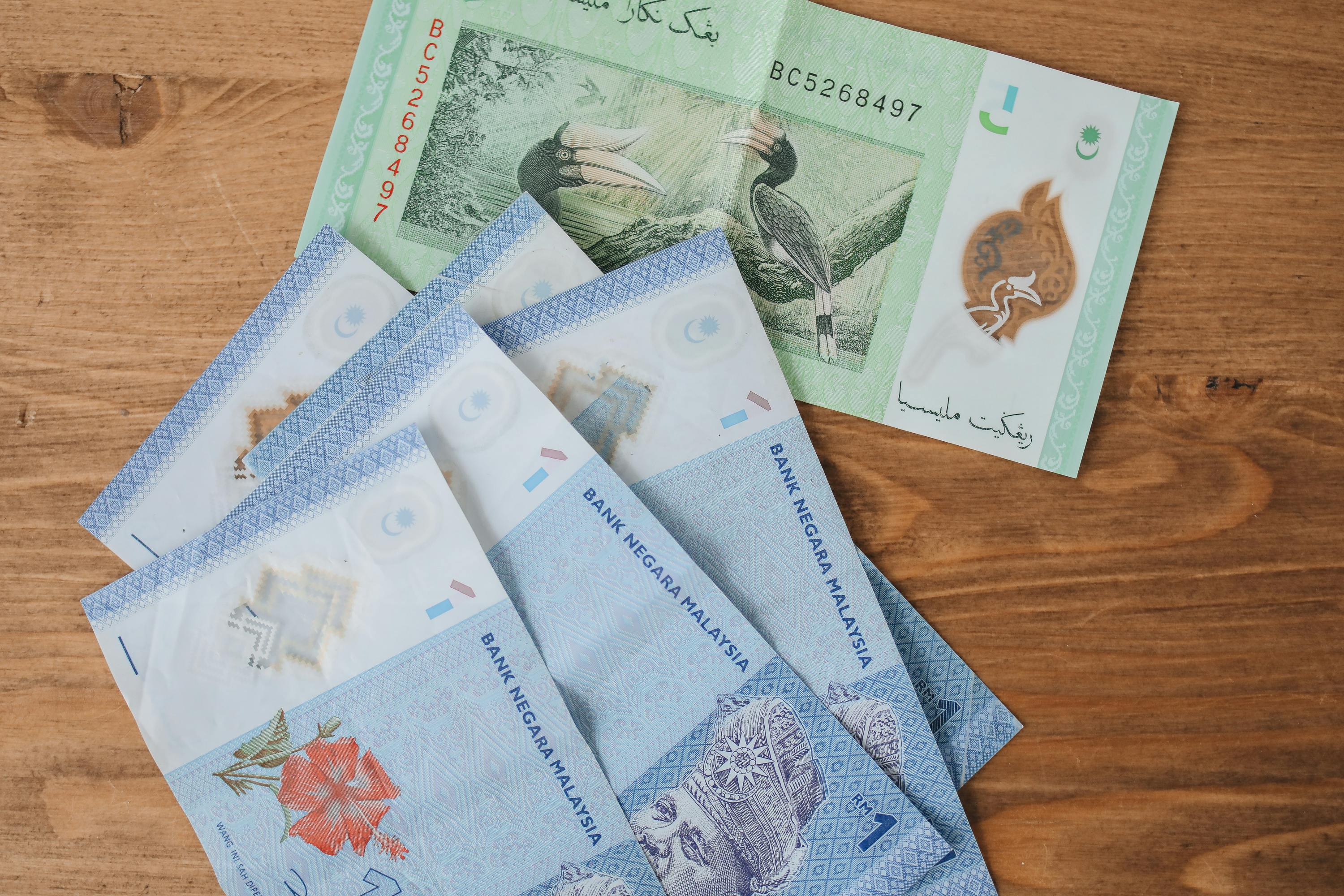
Malaysia’s payroll is rules heavy and deadline driven, so the right payroll system malaysia can be the difference between smooth month end and penalties. In short, a payroll system malaysia calculates net pay, automates statutory deductions, files reports, and pays employees on time. It should also keep you compliant with fast changing rules like the new minimum wage and the e PCB Plus transition at LHDN. (hasil.gov.my)
Facts you must know before choosing a payroll system malaysia
- EPF standard employee rate is 11 percent, while employers pay 13 percent for wages up to RM5,000 and 12 percent above that, with contributions due by the 15th of the following month. (kwsp.gov.my)
- SOCSO and EIS contributions are due by the 15th of the following month, and late SOCSO payments accrue interest at 6 percent per annum. (perkeso.gov.my)
- EIS is 0.2 percent from employer and 0.2 percent from employee, capped by a RM6,000 wage ceiling since October 2024. (perkeso.gov.my)
- Monthly tax deduction PCB must be remitted to LHDN by the 15th of the next month, with a national shift to e PCB Plus. (hasil.gov.my)
- Wages must be paid not later than the seventh day after the last day of the wage period. (lowpartners.com)
- Minimum wage is RM1,700 per month for most employers from February 1, 2025, and fully enforced for all employers from August 1, 2025. (thestar.com.my)
- Standard working hours are 45 per week, and overtime rules still apply as set out in the Employment Act. (jtksm.mohr.gov.my)
If you plan to hire in Malaysia and beyond, consider a system that spans recruiting, local payroll, and global employment through EOR. That gives you one source of truth and one workflow. Platforms like Bolto bring recruiting, payroll, and EOR together so you can hire and pay teams with fewer tools and fewer handoffs.
Navigating Malaysian Payroll Compliance
Stay inside these lines to avoid risk, and make sure any payroll system malaysia supports each rule by default.
-
EPF contributions and cut off
Employers must pay EPF by the 15th of the following month. Employee rate is 11 percent. Employer rate is 13 percent up to RM5,000 monthly wages and 12 percent above. The EPF also introduced a two percent plus two percent rule for most non Malaysian employees starting with October 2025 wages. (kwsp.gov.my) -
SOCSO and EIS
SOCSO and EIS are due by the 15th of the following month in the PERKESO Assist Portal. EIS is 0.2 percent employer and 0.2 percent employee with a RM6,000 ceiling. Late SOCSO attracts 6 percent per annum interest. (perkeso.gov.my) -
PCB monthly tax deduction
Employers must deduct and remit PCB by the 15th of the following month. Malaysia is moving to e PCB Plus, replacing e PCB, e Data PCB, and e CP39. (hasil.gov.my) -
Wage payment timing
Pay wages not later than the seventh day after the wage period ends. (lowpartners.com) -
Minimum wage and hours
Minimum wage is RM1,700 per month in 2025 and is fully enforced for all employers from August 1, 2025. Normal hours are 45 per week. (thestar.com.my) -
Overtime and public holidays
Typical OT baselines are 1.5 times on normal days, 2 times on rest days, and 3 times on public holidays for eligible employees. Section 60D grants at least 11 paid public holidays each year, with five compulsory days. Your system should handle substitutes when holidays fall on rest days. (malaysia.acclime.com)
Core Features and Automation to Prioritize
Look for features that reflect how payroll works in Malaysia, not just generic payroll.
-
Statutory automation out of the box
EPF tiered employer rates and 11 percent employee deductions, SOCSO Act 4 and EIS Act 800 schedules, and PCB calculations with on time remittance. The system should update wage ceilings automatically for SOCSO and EIS at RM6,000. (perkeso.gov.my) -
Deadlines and filing
Automated reminders for the 15th deadline for EPF, SOCSO, EIS, and PCB. Direct file or bank integrations for PERKESO Assist and MyTax where possible. (perkeso.gov.my) -
Time and attendance that respects the law
Configurable 45 hour weeks, OT rules, rest day logic, public holiday pay, and substitutes when holidays overlap. (jtksm.mohr.gov.my) -
Foreign worker coverage
From October 2025, many non Malaysian employees require EPF at two percent employee and two percent employer. Your payroll system malaysia should support this configuration and keep the October timeline in mind. (kwsp.gov.my) -
Payslips and audit trail
Clear payslips, PCB and statutory breakdowns, and exportable reports for LHDN, KWSP, and PERKESO audits.
If you also hire outside Malaysia, consider an integrated path to employee of record and contractor management so you can stay compliant in other countries using one system. Talk to Bolto if you want recruiting plus EOR and global payroll in one place.
Integrations and Full HRIS Alignment
A modern payroll system malaysia should not live alone. Practical connections include:
- HRIS core, onboarding, and document collection, so tax forms and EPF numbers are captured once
- Time tracking and scheduling that map to 45 hour limits and OT rules
- Accounting systems to sync journals in ringgit with the correct statutory accounts
- Banking rails for bulk payments and FPX support for PERKESO and EPF
- APIs for your ATS and recruiting stack so new hires flow into payroll the moment an offer is signed
Ease of Use, Implementation, and Trials
Rollouts fail when teams need a manual to run payroll. Aim for a system that lets you:
- Import employees from spreadsheets or your HRIS without cleanup marathons
- Map earning types to the right PCB and statutory treatment with presets
- Run a parallel payroll for one to two cycles before going live
- Offer a sandbox or test company for edge cases like back pay, ad hoc bonuses, and mid month joiners
- Add new states or entities and keep rate tables automatically updated
If you are moving from spreadsheets, many teams go live in two to four weeks when they have clean employee data and one decision maker.
Pricing, Total Cost, and ROI
A good payroll system malaysia pays for itself if it reduces penalties and workload. If you’re comparing vendor costs, see Bolto pricing.
-
Missing the 15th deadlines
Late SOCSO payments accrue 6 percent per annum interest for each day of delay. HRD Corp levy late payments can trigger fines and interest at 10 percent per annum calculated per day of default. Your software should catch these and automate payments. (perkeso.gov.my) -
Wrong wage ceilings or rates
Failing to apply the SOCSO and EIS RM6,000 ceiling from October 2024, or the EPF tiers, leads to under or over deductions and corrections that waste time. Automation matters here. (perkeso.gov.my) -
PCB accuracy and e PCB Plus changeover
PCB errors add up, and Malaysia has moved to e PCB Plus. Your vendor should support the process and deadlines. (thestar.com.my)
If you want a single vendor for recruiting, payroll, global compliance, and payments, consider Bolto. You get one invoice and one support team.
Scalability for SMEs and Mid-Sized Companies
As headcount grows, complexity grows faster.
- Multi location and multi entity setups need flexible pay calendars
- More contractors and foreign hires mean more compliance checks
- SOCSO, EIS, HRD Corp, and PCB volumes rise and must reconcile cleanly
- Auditors will expect clean exports with statutory line items
An all in one platform like Bolto helps you add Malaysian payroll plus global EOR coverage when you expand into new countries. For a multi‑country overview, read our global payroll solutions guide.
Local Support and Customer Success
Payroll questions do not wait. Prioritize vendors that offer:
- Local compliance expertise and clear guides on EPF, SOCSO, EIS, PCB
- Proactive alerts ahead of rule changes such as minimum wage or wage ceilings
- Real humans in support with service level agreements and implementation help
Bolto’s EOR plans include dedicated human support around the clock, and enterprise plans include a dedicated manager. See the Rebet case study. That kind of access is valuable when timelines are tight.
How to Choose the Best Payroll System in Malaysia Step by Step Checklist
-
Align on must haves
Statutory automation, PCB e filing readiness, time tracking, and banks you use -
Validate compliance
Ask how the system handles EPF tiers, SOCSO and EIS wage ceiling at RM6,000, and the e PCB Plus shift -
Test deadlines
Run a mock month across EPF, SOCSO, EIS, PCB, and HRD Corp levy with calendar reminders for the 7th pay rule and 15th remittances -
Check reporting depth
Trial exports for audits and monthly reconciliations, including KWSP schedules and PERKESO files -
Confirm integrations
HRIS, accounting, banks, and any EOR or contractor tools you already use -
Run a parallel payroll
One to two cycles to catch PCB differences and rounding -
Review support
Response times, escalation paths, and local expertise
If you want an all in one recruiting plus payroll stack with global EOR, get in touch with Bolto.
Top 10 Payroll System Malaysia Solutions
Building on the evaluation criteria above, this section spotlights Malaysia-ready payroll platforms trusted by SMEs and scaling businesses. These ten solutions are grouped for their strength in local statutory compliance (EPF, SOCSO, EIS, PCB), automation depth, and HR integrations that simplify monthly runs. Use the summaries that follow to quickly shortlist tools by company size, complexity, and support needs. For pricing models and hidden fees, see our payroll services pricing guide.
1. PayrollPanda

Overview: LHDN‑approved and Malaysia‑first, PayrollPanda automates PCB/MTD alongside EPF/KWSP, SOCSO/PERKESO, and EIS, then produces authority‑ready files for e‑Data PCB, EPF i‑Akaun, and PERKESO. It exports GIRO/bulk bank files and connects cleanly to Xero, QuickBooks, and popular local HR/time apps. It is purpose-built for Malaysia rather than multi‑country/EOR.
Why it works for Malaysia: a tight, compliant engine with e‑submissions and bank GIRO that keeps local payroll moving fast.
Highlights for Malaysian operations:
- Statutory automation with CP39, EA, and Form E, plus LHDN e‑submissions.
- Purpose‑built e‑files: e‑Data PCB TXT, KWSP i‑Akaun CSV, and SOCSO+EIS TXT.
- GIRO/bulk payment files for CIMB, Maybank, RHB, Public Bank, and more.
- E‑payslips and ESS with secure, password‑protected delivery.
- Integrations with Xero, QuickBooks, Jibble, altHR, Zoho, and APIs for custom flows.
Pricing: Free core payroll; paid from RM38/company/month + RM8/employee/month; first payroll free; Enterprise quote available.
Best for: Malaysia‑only SMEs and accounting firms that want LHDN‑approved automation, e‑submissions, GIRO files, and seamless Xero/QuickBooks hookups.
2. Kakitangan
Overview: Built in Malaysia for Malaysia, Kakitangan automates EPF/KWSP, SOCSO/PERKESO, EIS, and PCB/MTD, generating CP39, EA, Form E/CP8D and the e‑files authorities expect. It outputs GIRO/auto‑pay bank files, integrates natively with Xero, and offers CSV paths for QuickBooks, staying laser‑focused on local updates, not multi‑country/EOR.
Why it works for Malaysia: end‑to‑end local compliance married to everyday payroll ergonomics.
Highlights for Malaysian operations:
- Full statutory coverage with CP39, EA/E, Form E and LHDN e‑submissions.
- GIRO bank files for Maybank, RHB, Hong Leong, and CIMB.
- Mobile‑first ESS and e‑payslips with granular, role‑based access.
- Time, OT, allowances/deductions, leave and scheduling that flow into payroll.
- Integrations: Xero native; CSV exports for QuickBooks, SQL, AutoCount; APIs.
Pricing: Tiered pricing; payroll from around RM50/month; free tier; current quotes via estimator/contact.
Best for: Malaysia‑only SMEs or subsidiaries seeking dependable compliance, GIRO files, mobile ESS, and simple bookkeeping with Xero/QuickBooks.
3. SQL Payroll
Overview: A Windows stalwart for Malaysian payroll, SQL Payroll automates EPF/KWSP, SOCSO/PERKESO, EIS, and PCB/MTD, produces CP39 and EA/Borang E, and supports e‑submissions to LHDN, KWSP, and PERKESO ASSIST. GIRO files and tight integration with SQL Account make it a Malaysia‑only workhorse.
Why it works for Malaysia: mature desktop control with deep statutory coverage and bank GIRO breadth.
Highlights for Malaysian operations:
- Statutory forms and uploads: EPF A, SOCSO 8A, EIS Lampiran 1, CP39, CP22, CP8D/EA; e‑Data PCB.
- GIRO/e‑payment files for 25+ banks including Maybank, CIMB, Hong Leong, Public Bank.
- E‑payslips and ESS via SQL HRMS for EA, payslips, leave, claims, attendance.
- Robust time/OT setup and first‑party SQL Account integration.
- Flexible reporting and exports suited to audit and year‑end workflows.
Pricing: Starts RM1,299–RM1,699 lifetime license for 20 employees; higher tiers available; HRMS ~RM50/month; free demo.
Best for: Malaysia‑only SMEs preferring desktop lifetime licensing, strong GIRO support, and a tight link to SQL Account over US‑centric stacks.
4. Info-Tech
Overview: Info‑Tech is a Malaysia‑localized cloud HR/payroll suite that handles EPF/KWSP, SOCSO/PERKESO, EIS, and PCB/MTD, plus e‑submissions and year‑end packs like EA/Form E, CP21/CP39, and CP8D. It exports GIRO files, offers mobile e‑payslips/ESS, integrates with Xero and QuickBooks, and scales to multi‑country (not EOR).
Why it works for Malaysia: a modern HRIS spine with payroll precision and bank uploads ready on day one.
Highlights for Malaysian operations:
- End‑to‑end statutory automation with EA/Form E, CP21, CP39, CP8D e‑submissions.
- GIRO files for major banks, with value‑date and originator ID control.
- Mobile ESS and e‑payslips with manager approvals and role‑based access.
- Attendance, OT/lateness policies, and scheduling that feed payroll.
- Integrations/APIs for QuickBooks and Xero, plus strong local SLAs and reporting.
Pricing: From RM3 per staff/month per module; setup applies; free demo; quotation required.
Best for: Malaysia‑first SMEs and mid‑market teams wanting compliant payroll, GIRO uploads, mobile ESS, and Xero/QuickBooks connectivity across nearby entities.
5. HR2eazy
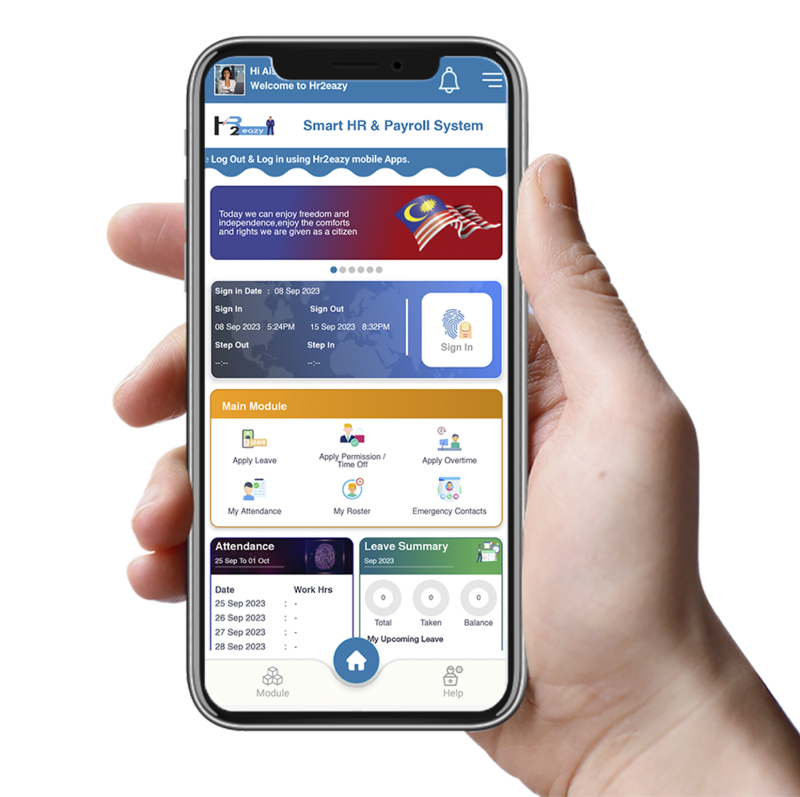
Overview: HR2eazy is a Malaysia‑built cloud HRMS that aligns payroll to EPF/KWSP, SOCSO/PERKESO, EIS, and LHDN PCB/MTD, producing statutory forms and e‑submission files. It prepares GIRO files for banks, supports Excel/XML exports and integrations, and runs Malaysia payroll while HR modules extend multicountry.
Why it works for Malaysia: practical compliance plus bank GIRO and flexible exports for downstream accounting.
Highlights for Malaysian operations:
- Statutory coverage for EPF, SOCSO, EIS, PCB/MTD with CP39 and EA/E.
- LHDN e‑submissions and statutory text files out of the box.
- GIRO bank files for major banks; optional e‑wallet disbursements.
- ESS and mobile e‑payslips with role‑based access.
- Time, OT, shifts, and device‑based attendance that map to payroll.
Pricing: From RM150/month (SME), RM10/employee/month Premium; RM500 setup; outsourcing RM20/employee; add‑ons RM0.50–RM0.70; free demo available.
Best for: Malaysia‑only SMEs and mid‑market teams wanting compliant payroll, broad GIRO coverage, e‑wallet options, and an integrated HRMS.
6. Rymnet
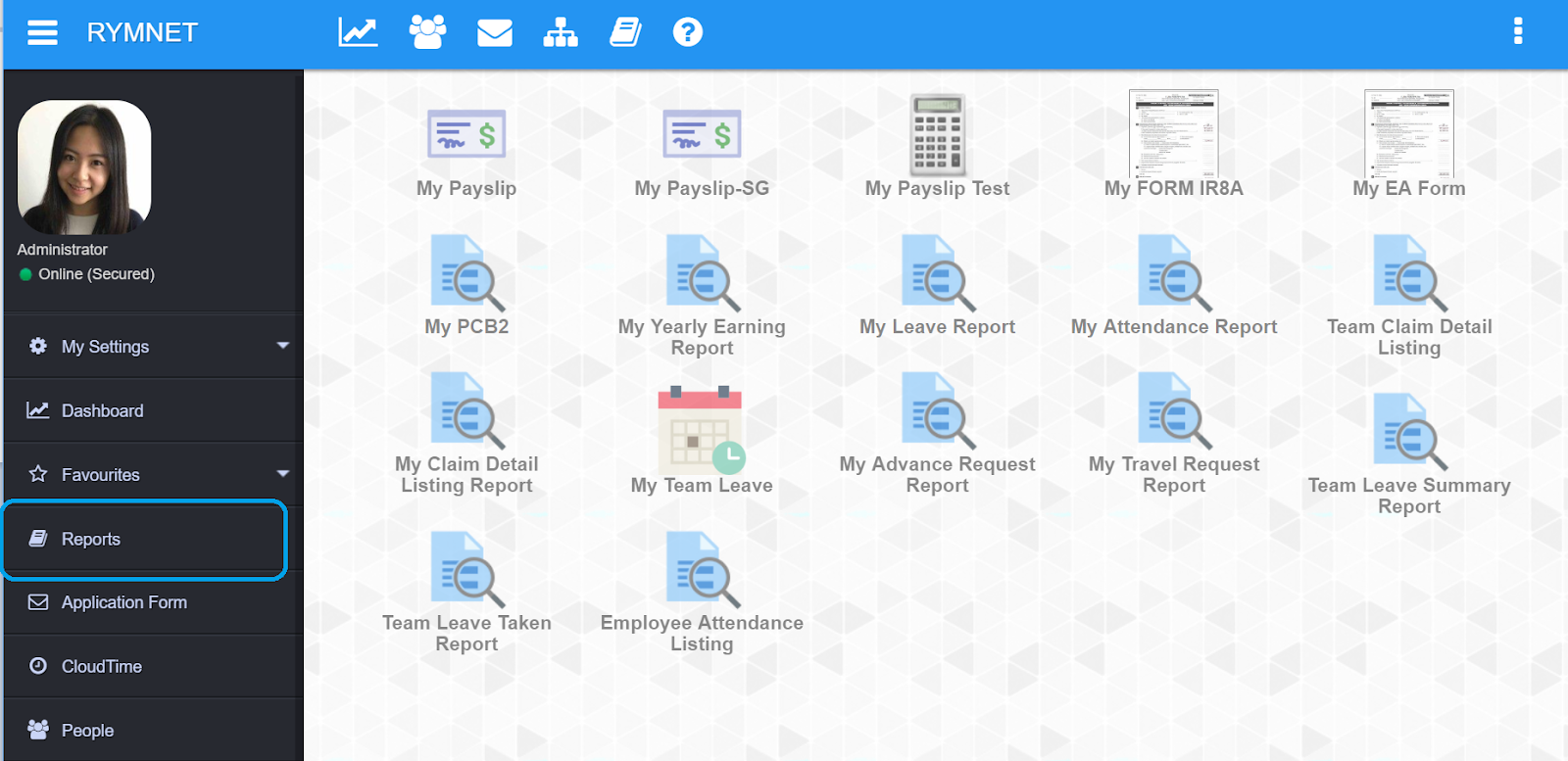
Overview: Rymnet is a Malaysia‑built cloud HRMS with payroll localized for EPF/KWSP, SOCSO/PERKESO, EIS, and PCB/MTD. It generates e‑submission files, produces GIRO/bank payout files, and supports regional payroll across selected ASEAN countries, with GL/file exports to slot into broader accounting stacks.
Why it works for Malaysia: compliant payroll today, with room to expand across ASEAN tomorrow.
Highlights for Malaysian operations:
- Statutory calculations and forms: CP39, EA/E, Form E; e‑PCB support.
- GIRO/bank files for major banks; multi‑cycle, multi‑entity runs; TNG eWallet.
- ESS/mobile for e‑payslips, approvals, claims, leave, and clock‑in/out.
- Time and OT rules; allowances/deductions piped straight into payroll.
- GL/file exports for accounting and dependable Malaysia‑based SLAs.
Pricing: Rymbee starts at RM18–RM20 per employee/month; Rymnet enterprise is quote‑based with free demo available.
Best for: Malaysia‑first SMEs to mid‑market groups needing compliant, multi‑cycle payroll, ESS/mobile, GIRO files, and ASEAN expansion runway.
7. Actpay Payroll Software
Overview: Actpay is a Malaysia‑built Windows desktop payroll that automates EPF/KWSP, SOCSO/PERKESO, EIS, and PCB/MTD, generates e‑submission files, and handles annual EA/Form E packs. It exports GIRO bank files for bulk salaries and runs fully offline. The software is focused on Malaysia, without multi‑country/EOR or US‑HQ integrations.
Why it works for Malaysia: low‑cost, offline reliability with all the statutory essentials.
Highlights for Malaysian operations:
- PCB/MTD, EPF, SOCSO/PERKESO, EIS, HRD levy; outputs CP39, EA/E, Form E with LHDN e‑submission.
- GIRO bank files for major banks to automate salary credits and payments.
- E‑payslips with multiple templates, PDF/Excel exports, and batch email.
- Offline Windows deployment for firms avoiding the cloud.
- Broad Excel export options for accounting or audits.
Pricing: From RM200 per year for 1 company/10 staff; renewals RM100; free 40‑day trial available.
Best for: Malaysia‑only SMEs needing budget‑friendly, offline payroll with EPF/SOCSO/EIS/PCB compliance and GIRO, with no cloud or API required.
8. Sage Payroll
Overview: Formerly Sage/UBS and now Access UBS, this Malaysia‑first on‑premise payroll suite covers EPF/KWSP, SOCSO/PERKESO, EIS, and PCB/MTD with e‑submissions and GIRO bank files. It links directly to Access UBS Accounting and can export to QuickBooks and Xero; Singapore is supported, but not EOR.
Why it works for Malaysia: a trusted on‑prem lineage that keeps local compliance tight.
Highlights for Malaysian operations:
- Statutory calculations and filings: CP39, EA/E, Form E with e‑submission.
- GIRO/bank files for Maybank, Public Bank, AmBank, and others.
- Batch e‑payslips and ESS with secure, role‑based access.
- Time, leave, OT rules, allowances/deductions, and director fees.
- Integrates with Access UBS Accounting; robust reporting and local SLAs.
Pricing: Starts at RM665 per company, single‑user; higher tiers RM3,285–RM3,935; renewals, support, installation, and training extra.
Best for: Malaysia‑only SMEs already on UBS, preferring on‑prem or hybrid payroll with strict compliance over global EOR or US‑HQ stacks.
9. Swingvy
Overview: Swingvy is a Malaysia‑first cloud HRMS with payroll that automates EPF/KWSP, SOCSO/PERKESO, EIS, and PCB/MTD, producing compliant monthly and year‑end e‑submissions. It supports GIRO/bank upload files for major banks and integrates with Xero, focusing on MY/SG rather than EOR.
Why it works for Malaysia: modern HR + compliant payroll in a single, mobile‑friendly system.
Highlights for Malaysian operations:
- Automatic EPF, SOCSO, EIS, PCB, with EA/E and Form E year‑end packs.
- LHDN e‑submissions and outputs for EA, CP8D filing.
- GIRO files for Maybank, CIMB, Public Bank, and RHB.
- E‑payslips, ESS portals, mobile apps; Xero accounting integration.
- Time tracking and OT rules that feed payroll; clear reporting and SLAs.
Pricing: From RM8.50/user/month each for HR and Payroll; 5‑user minimum; setup fee; trial and demo available.
Best for: Malaysia‑based SMEs and MY/SG subsidiaries wanting compliant payroll, GIRO uploads, and a Xero‑friendly HRMS without global EOR overhead.
10. BrioHR
Overview: BrioHR is a Malaysia‑born cloud HRIS with built‑in payroll for local compliance. It automates EPF/KWSP, SOCSO/PERKESO, EIS, and PCB/MTD, supports e‑submissions and GIRO/bank files, and connects natively to Xero with GL exports for other ledgers, covering Malaysia and Singapore today.
Why it works for Malaysia: a polished HRIS with dependable MY payroll and practical accounting hooks.
Highlights for Malaysian operations:
- Statutory automation for EPF, SOCSO, EIS, PCB; EA/E, CP39, and CP8D.
- LHDN e‑submissions via e‑PCB Plus; KWSP and PERKESO uploads.
- GIRO files for RHB, Hong Leong, OCBC, and AmBank.
- Mobile e‑payslips and ESS, role‑based access, and scheduled releases.
- Time/OT rules; Xero integration; GL reports, analytics, 99.9% uptime.
Pricing: Starts RM5 per employee/month, RM200 monthly minimum; Malaysia/Singapore payroll; free demo on request.
Best for: Malaysia‑first SMEs and mid‑market firms, including MY‑SG footprints, seeking compliant payroll, GIRO files, Xero integration, and a robust HRIS backbone.
Conclusion
Payroll in Malaysia is very workable when your software does the heavy lifting. Build around the core deadlines, EPF and PERKESO logic, PCB timing, the new RM1,700 minimum wage, and 45 hour weeks. Select a payroll system malaysia that automates local rules and grows with you into regional hiring. If you want recruiting, Malaysian payroll, and global EOR in one simple platform, start with Bolto.
FAQs: Payroll System Malaysia
What are the standard EPF rates and due dates in Malaysia
Employee EPF is usually 11 percent. Employers contribute 13 percent for wages up to RM5,000 and 12 percent above that. EPF must be paid on or before the 15th of the following month. (kwsp.gov.my)
When are SOCSO and EIS contributions due
SOCSO and EIS contributions are due by the 15th of the following month through the PERKESO Assist Portal. Late SOCSO payments attract interest at 6 percent per annum. (perkeso.gov.my)
What is the PCB remittance deadline
PCB must be deducted and remitted to LHDN by the 15th of the month following payroll, and Malaysia is transitioning to e PCB Plus. (hasil.gov.my)
What is the legal timeline to pay monthly wages
Employers must pay wages not later than the seventh day after the last day of the wage period. A payroll system malaysia should flag this every cycle. (lowpartners.com)
What is the minimum wage in 2025 and does it apply to all employers
Minimum wage is RM1,700 per month from February 1, 2025 for most employers and becomes fully enforced for all employers from August 1, 2025. (thestar.com.my)
What is the EIS contribution rate and who is covered
EIS is 0.2 percent from the employer and 0.2 percent from the employee, with a RM6,000 wage ceiling. Coverage generally applies to private sector employees from age 18 to 60, with some exemptions. (perkeso.gov.my)
How should a system handle public holidays and overtime
The Employment Act requires at least 11 paid public holidays each year and sets typical OT multipliers at 1.5 times for normal days, 2 times for rest days, and 3 times for public holidays for eligible employees. Your payroll should calculate these automatically and handle in lieu days when holidays fall on rest days. (lowpartners.com)
Looking for an all in one recruiting and payroll system malaysia that also supports global hiring through EOR and contractor management
See how Bolto can help.