

15 Best HR Software for Manufacturing (2026 Guide)
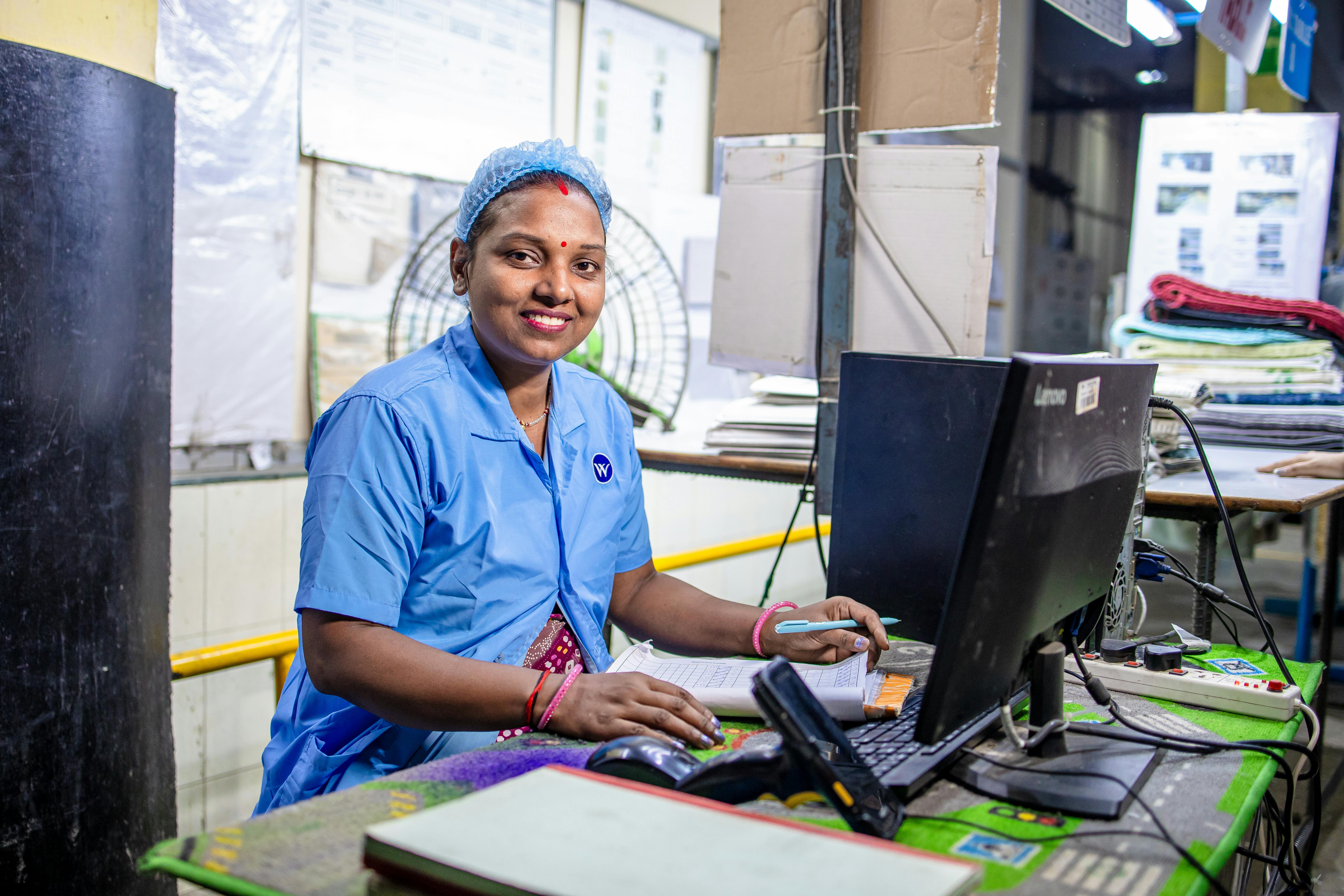
The manufacturing sector is the backbone of the economy, but it faces intense pressure. High employee turnover, a persistent skills gap, and complex compliance burdens make managing a workforce incredibly challenging. In fact, the manufacturing industry grapples with an average employee turnover rate of around 28% annually. Many companies also struggle to fill roles, with 78% of firms reporting difficulty finding skilled labor. Relying on spreadsheets and manual processes is no longer enough, especially as smart factories demand a new blend of frontline workers and specialized global tech talent. The right HR software for manufacturing automates tedious tasks, ensures compliance, and helps you build a more engaged and productive team. This guide explores the key features to look for, the benefits you can expect, and how to choose the best solution for your plant.
What is HR software for manufacturing? Is it the same as a shop management system?
HR software for manufacturing is a specialized platform designed to handle the unique workforce challenges of the industrial sector, often called an HRIS. It centralizes all people related operations, from time tracking and payroll to safety compliance and performance management. Today, it must manage both the hourly, on site workforce and the salaried, often remote, technical experts driving automation and innovation.
While it shares some functions with shop management systems, they are not the same. A shop management system focuses on production workflows, inventory, and job scheduling. In contrast, HR software is built to manage the entire employee lifecycle. However, modern HR platforms are increasingly offering tools that support shop floor operations and global talent acquisition, blurring the lines and providing a more integrated solution for manufacturers.
Key features to look for in manufacturing focused HR software
When evaluating HR software for manufacturing, prioritize tools that address the specific complexities of your environment. Look for a solution with these core features:
- Time and Attendance Tracking: Manufacturing often involves complex shift patterns, overtime, and varied pay rates. Your software must accurately track hours for hourly and salaried employees to ensure correct payroll and labor law compliance.
- Integrated Payroll Management: Look for a system that automates payroll calculations, including overtime, shift differentials, and bonuses. This reduces manual errors and ensures everyone gets paid correctly and on time, a crucial factor for employee trust.
- Compliance and Safety Management: The manufacturing industry is subject to strict regulations. A good system helps you manage OSHA reporting, track safety training, and store certifications digitally. This is critical, as OSHA issued over $80 million in safety related fines to manufacturing firms in 2023 alone.
- Global Talent Acquisition and Onboarding: With a potential for 2.1 million unfilled manufacturing jobs by 2030, efficient recruiting is a necessity. As factories become smarter, you need tools to find, hire, and onboard specialized talent (like software engineers) from anywhere in the world, often through an Employer of Record (EOR) to handle compliance.
- Unified Contractor and Employee Management: Modern manufacturing relies on a mix of full time employees and specialized contractors. A great platform allows you to pay and manage both W2 employees and 1099 contractors in a single system, simplifying administration and ensuring compliance for your entire workforce.
- Secure Document Management: A centralized digital repository for employee documents, from contracts to certifications, is essential. Features like e signatures simplify paperwork and reduce administrative burdens for a distributed workforce.
- Employee Self Service (ESS): An ESS portal empowers workers to access their pay stubs, request time off, and update their information from a mobile device or kiosk. This frees up HR staff from administrative tasks and gives employees more control.
- Training and Development: To combat the skills gap, tools for managing training are essential. An integrated Learning Management System (LMS) can help you assign and track required safety courses and upskilling programs for new automation technologies. With 94% of employees saying they would stay longer if a company invested in their careers, this is a powerful retention tool.
- Data Security and Role Based Access: Protecting sensitive employee data is non negotiable. The software must offer robust security features and role based access controls, ensuring that managers and employees can only see the information relevant to their roles.
- Audit Readiness and Recordkeeping: Strong HR software makes you audit ready. It provides a single source of truth for all employee records, time logs, and compliance documentation, simplifying the process of generating reports for internal reviews or regulatory inspections.
Benefits of HR software for manufacturing companies
Implementing a dedicated HR software for manufacturing provides a clear return on investment by improving efficiency, reducing risk, and fostering a better work environment.
First, it drives operational efficiency. Automating manual tasks like payroll and attendance tracking frees up your HR team to focus on more strategic initiatives. One company, for example, cut the time it took to streamline attendance from seven days down to almost zero with an integrated HR solution (see the Assembly case study for details).
Second, it enhances compliance and reduces risk. The software helps you stay on top of changing labor laws, from the Fair Labor Standards Act (FLSA) to global hiring regulations, protecting your business from costly penalties. Centralized recordkeeping ensures you are always prepared for an audit.
Third, it improves employee retention. With features that support career development, transparent communication, and easy access to information, you can boost engagement and reduce costly turnover. Companies with structured retention programs have been shown to reduce turnover by up to 28%.
Finally, it provides access to a global talent pool. Modern platforms with built in EOR and contractor management capabilities allow you to hire the best talent for specialized roles, regardless of location. This is a significant competitive advantage for building the smart factory of the future.
An all in one platform like Bolto consolidates your entire HR stack. Instead of managing separate systems for recruiting, onboarding, payroll, and compliance, you get a single source of truth. This simplifies administration and provides better data for strategic workforce planning.
The New Manufacturing Workforce: Bridging the Talent Gap for Industry 4.0
The rise of smart manufacturing, or Industry 4.0, is transforming the factory floor. Automation, robotics, and data analytics require a new kind of employee. Alongside skilled machine operators, manufacturers now need to recruit and retain software engineers, data scientists, and automation specialists.
This creates a new HR challenge. The talent you need might not be in your city or even your country. Competing for top technical talent against tech companies requires a different recruiting strategy. This is where modern HR platforms shine. They provide the tools to source, vet, and hire specialized professionals from a global talent pool, then seamlessly onboard and pay them in compliance with all local laws. By embracing a global hiring strategy, manufacturers can build the expert teams required to innovate and lead in the modern era.
Trends shaping manufacturing HR tech in 2025
The technology landscape is constantly evolving, and HR tech is no exception. In 2025, several key trends are shaping HR software for manufacturing.
Data analytics is becoming central to HR strategy, allowing leaders to predict turnover, analyze labor costs, and make informed decisions about workforce planning. We are also seeing a rise in AI driven tools. Our latest overview of workforce and hiring trends breaks down where AI adds the most value. Approximately 45% of manufacturing HR teams already use automation for recruitment, and this is expected to grow. AI can screen candidates, automate onboarding workflows, and even suggest personalized training paths. For example, global manufacturer Hitachi reduced its time to hire by 40% after implementing a custom AI system for onboarding.
Mobile accessibility is another critical trend. Since most manufacturing employees do not work at a desk, providing mobile access to HR tools is essential for communication and engagement. To stay current as these trends evolve, consider subscribing to our newsletter.
How to choose HR software for a manufacturing environment
Selecting the right HR software for your manufacturing business requires a careful evaluation of your needs.
Start by identifying your biggest pain points. Is it complex scheduling, compliance tracking, or a struggle to hire technical talent? Make a list of must have features. Next, consider integration capabilities. Your HR platform should connect seamlessly with your existing accounting or ERP systems to ensure data flows smoothly across the organization.
Prioritize ease of use and adoption. A system with a complicated interface will frustrate employees on the shop floor and hinder adoption. Look for an intuitive design that works well on mobile devices and shared kiosks.
Evaluate scalability and modularity. Choose a solution that can grow with your company. A modular platform allows you to start with core functionalities like payroll and time tracking and add other modules like recruiting or performance management as your needs evolve.
Assess its global hiring capabilities. If you plan to hire specialized remote talent, ask vendors about their EOR, contractor management, and multi country payroll solutions. This is critical for future proofing your workforce strategy.
Finally, schedule demos with vendors who specialize in your industry. Ask specific questions about how their platform handles shift differentials, union requirements, and multi state payroll if applicable. Choosing a modern, unified platform designed for a global workforce can give you a significant advantage. A solution like Bolto can help you recruit, hire, and pay talent anywhere, all from one place.
Top 14 HR Software for Manufacturing (2026)
Now that we’ve explored the essential features to look for in HR software for the manufacturing industry, let’s dive into the top 14 solutions for 2026. This curated list brings together the leading platforms that excel in addressing the unique challenges of the manufacturing sector, from managing complex shift schedules and ensuring regulatory compliance to engaging a diverse workforce. Each of these software options has been selected for its robust feature set, industry specific capabilities, and proven track record in enhancing operational efficiency on the factory floor.
1. UKG
UKG blends full suite HCM with best in class workforce management to tame the complexity of shift work at multi site plants. It synchronizes time capture, schedules, and compliance so supervisors see labor in real time while frontline teams get flexible, AI assisted self service across languages and locations. Ideal for mid market to global manufacturers operating across multiple countries.
Best for: Multi country operations with complex shift/OT rules and large frontline workforces.
Factory ready highlights
- Advanced time, attendance, and attestation with biometric and mobile punch options
- AI guided scheduling for open shift filling, swaps, and skills based assignments
- Job and activity costing that ties paid time to work orders
- Global payroll and compliance support across 160+ countries
- Frontline comms and self service via mobile and on device time clocks
Pricing and plan notes: Pricing is not publicly listed and is quote based with live demos; expect per employee subscriptions plus hardware and implementation fees.
Integrations and deployment: ERP/MES (SAP), payroll/HRIS, UKG InTouch DX time clocks, SSO (Okta/Entra ID); cloud/SaaS on Google Cloud, iOS/Android, kiosk mode, multi language, global support.
2. ADP Workforce Now
ADP Workforce Now gives midsize manufacturers a dependable hub for time, scheduling, payroll, and labor analytics. It helps plants control overtime, keep multi state compliance tight, and provide simple mobile self service so supervisors and operators stay aligned shift to shift. It’s a strong fit for North American facilities with 50 to 999 employees.

Best for: North American mid market plants needing robust scheduling and payroll compliance.
Factory ready highlights
- Time and attendance with advanced scheduling, overtime controls, and skills based staffing
- Shop floor time capture via mobile app, physical clocks, or tablet kiosks
- Mobile self service for schedules, PTO requests, and accruals
- Multi location payroll with built in compliance and ACA reporting
- Labor analytics and job costing with ADP DataCloud benchmarks
Pricing and plan notes: Pricing is not publicly listed and is quote based; live demos available. Budgeting scales by headcount and selected modules.
Integrations and deployment: ERP/finance (Sage Intacct, NetSuite), open APIs, SSO; cloud SaaS with iOS/Android apps, kiosk support, multilingual options for North America.
3. Dayforce
Dayforce unifies HR, payroll, time, and scheduling to keep shift heavy manufacturing operations compliant and predictable. Real time pay calculations tie directly to time capture, while automated rules reduce risk around overtime and breaks across states or countries. It’s built for multi site manufacturers managing complex requirements at scale.

Best for: Multi state/global manufacturers needing tight compliance and real time payroll accuracy.
Factory ready highlights
- Demand driven scheduling with automated rostering and overtime equalization
- Compliance focused time capture with geofenced mobile punching and rest/meal enforcement
- Rugged shop floor clocks with biometric and RFID/badge support
- Global payroll/tax engine to manage union and multi jurisdiction rules
- Mobile self service for shift swaps and earned wage access via Dayforce Wallet
Pricing and plan notes: Pricing not publicly listed (quote based); live demo available. Dayforce Wallet included at no cost with payroll.
Integrations and deployment: ERP/finance (e.g., Dynamics 365) via APIs and low code studio, SSO, native clocks; cloud SaaS (Azure), iOS/Android, kiosk mode, multi language global support.
4. Workday
Workday standardizes HR, payroll, time, and analytics across large, multi site manufacturers. With unified data and AI powered planning, leaders get a clear view of labor across plants while frontline teams benefit from reliable scheduling and mobile access. It’s an enterprise grade backbone for global operations.

Best for: Large manufacturers orchestrating complex global processes and compliance at scale.
Factory ready highlights
- AI driven workforce scheduling and labor forecasting with mobile shift swaps
- Unified time and attendance with geofenced mobile check in and kiosk options
- Global payroll coverage across 180+ countries via certified partners
- Integrated learning for safety, compliance, and skills training
- Analytics that blend MES and HR data for precise labor costing
Pricing and plan notes: Pricing is not publicly listed; quote based by modules and employee count. Guided demos available (no free trial).
Integrations and deployment: ERP/MES, time clocks (Accu Time), global payroll partners (ADP, CloudPay); multi language SaaS, iOS/Android apps, SSO via Okta, robust connectors for shop floor data.
5. Oracle Cloud HCM
Oracle Cloud HCM unifies HR, time, payroll, and safety to coordinate distributed hourly workforces. Plants get predictable scheduling and compliance, while EHS features help capture incidents and drive a culture of safety. It fits upper midmarket to enterprise manufacturers with complex, multi site operations.

Best for: Global manufacturers seeking an integrated HR + EHS suite tied to Oracle ERP.
Factory ready highlights
- Time & Labor with complex OT/union rules, geofencing, and attestations
- Workforce Scheduling aligned to factory shifts and operator requirements
- Global payroll via native processing or third party ADP integration
- Workforce Health & Safety for incidents, inspections, and EHS reporting
- Automated compliance training, skills management, and frontline experience tools
Pricing and plan notes: Pricing not publicly listed; quote based enterprise subscriptions per employee with demos available. Expect multi year agreements and payroll add on costs.
Integrations and deployment: Native Oracle ERP/Manufacturing, ADP Global Payroll, certified time clocks, REST APIs; cloud/SaaS with SSO, iOS/Android apps, multi language UI, localized processes for 200+ countries.
6. Paylocity
Paylocity streamlines payroll, time, learning, and frontline communications for multi site plants. It automates overtime and compliance, pushes safety training to the floor, and uses mobile tools to boost engagement. U.S. payroll is full service, with options to support global footprints.

Best for: Mid market manufacturers that want modern comms plus strong U.S. payroll and time.
Factory ready highlights
- Time collection via badge/biometric clocks, kiosks, and geofenced mobile app
- AI driven scheduling with skill based assignments, OT alerts, and mobile shift swaps
- Full service U.S. payroll tax filing (federal, state, local)
- Integrated LMS with safety content and skills tracking
- Mobile community feed, chat, and recognition for frontline teams
Pricing and plan notes: Pricing not publicly listed; quote based per employee/month. Live demos available; no free trial.
Integrations and deployment: ERP integrations (NetSuite, Sage) via 300+ partners/APIs, SSO; cloud SaaS, iOS/Android apps, kiosk modes, hardware clocks, multilingual support, and international payroll options.
7. Paycor
Paycor brings SMB and mid market manufacturers a pragmatic suite for payroll, time, scheduling, and learning. It’s built to control overtime, handle piece rates, and keep multi state payroll clean while delivering mobile tools operators actually use. Best for U.S. based operations that want fast time to value.

Best for: U.S. manufacturers with hourly, shift based teams across several plants.
Factory ready highlights
- Time and attendance with job costing, geofencing, and crew/group punch
- Advanced scheduling with OT rules, shift trades, and labor budget visibility
- Payroll support for piece rates and blended OT calculations
- Industrial grade clocks (including facial recognition) plus mobile/kiosk options
- Mobile safety learning with multi language certification tracking
- Dashboards with AI insights to predict and curb overtime
Pricing and plan notes: Starts at $99/month plus $5 per employee for small businesses; mid market pricing is quote based. Demo available.
Integrations and deployment: ERPs (NetSuite, Sage), QuickBooks, hardware clocks, SSO (Okta); cloud SaaS, iOS/Android apps, kiosk modes, multi language learning, U.S. centric payroll with global partner options.
8. BambooHR
BambooHR is a friendly HRIS that covers the manufacturing essentials like time tracking, attendance, and payroll add ons without heavy enterprise overhead. Plants get flexible clocking (mobile, kiosk, physical clocks) and automated overtime rules to reduce payroll errors across sites. It’s a good fit for teams from 50 to 1,000.

Best for: Small to mid size manufacturers wanting a simple, scalable core HRIS.
Factory ready highlights
- Flexible time capture: mobile with geolocation, iPad Time Kiosk, or physical clocks
- Automated overtime rules for all 50 U.S. states and Canadian provinces
- Scheduling via partner integrations (Deputy, Humanity) for swaps and shift planning
- U.S. payroll plus global hiring through EOR partners
- Mobile self service for leave, pay stubs, and clock in/out
Pricing and plan notes: Plans start at $10 per employee/month; Time Tracking and Payroll are add ons. Free demos available.
Integrations and deployment: NetSuite/QuickBooks Online, Deputy, ADP, SSO (Okta); cloud/SaaS, iOS/Android apps, kiosk mode, multi language, data hosting in the US/Canada/Ireland.
9. Rippling
Rippling merges HR, payroll, and IT in one platform, giving manufacturers a clean way to manage hourly work across plants and shared devices. It automates multi state compliance, simplifies scheduling, and offers a fast kiosk experience that frontline teams can pick up in minutes. Ideal for distributed operations with 50 to 500 employees.

Best for: Growing, distributed manufacturers seeking a modern, modular HRIS.
Factory ready highlights
- Geofenced mobile time, offline kiosk mode, and physical biometric/badge clocks
- Automated OT, meal, and rest break rules with alerts and attestations
- Shift scheduling tied to certifications and payroll, with mobile swap requests
- Automatic shift differentials and job costing
- Integrated safety/compliance LMS
Pricing and plan notes: Starts at $8 per employee/month for the core platform; add on modules priced separately. Live demos available.
Integrations and deployment: 600+ apps, including ERPs (NetSuite, QuickBooks), SSO; cloud SaaS, iOS/Android apps, kiosk mode, multi language support.
10. Cornerstone OnDemand
Cornerstone OnDemand powers the training, skills, and compliance backbone many manufacturers depend on. It simplifies OSHA/ISO audits, automates recertifications, and delivers mobile and offline learning to the line, keeping operators qualified and plants inspection ready across languages and regions.
Best for: Mid market to global manufacturers with rigorous, multi language compliance needs.
Factory ready highlights
- Automated compliance training and recertification for OSHA, ISO, FDA
- Skills matrices and qualification tracking to monitor operator readiness
- Mobile/offline learning delivery for frontline workers
- Extended enterprise portals to certify suppliers/contractors
- Analytics dashboards to surface compliance risk
Pricing and plan notes: Pricing not publicly listed; quote based with free personalized demos. Optional costs for content subscriptions and implementation.
Integrations and deployment: Pre built HRIS/payroll connectors (Workday, ADP), content providers, SSO (Okta); cloud SaaS, iOS/Android apps, nearly 50 languages for global plant operations.
11. Ciphr
Ciphr is a UK based HCM suite that centralises people data, scheduling, and payroll for manufacturers managing shifts and rotas. It automates absence and compliance while giving deskless employees self service access from anywhere. Built for mid market organisations that need UK specific rigor.
Best for: UK manufacturers with 200 to 2,000 employees and multi site shift patterns.
Factory ready highlights
- Complex shift/rota and time rules for flex and zero hours contracts
- Automated absence and leave with self service and Bradford Factor reporting
- HMRC recognised UK payroll with auto enrolment and online payslips
- Native LMS for safety and compliance training
- Mobile self service for payslips, leave, and directories
- Dashboards tracking absence, overtime, and key labour costs
Pricing and plan notes: Pricing not publicly listed; quote based via demo. Payroll also available as a fully managed service.
Integrations and deployment: WFM/time clocks, expenses, e sign via API; UK hosted cloud SaaS (ISO 27001), SSO, responsive mobile access. Primarily for UK organisations.
12. HiBob
HiBob gives mid market manufacturers a flexible core HRIS to standardize people ops across sites. It supports time and attendance, mobile self service, and consistent policy enforcement, while partnering with specialist WFM tools for deeper scheduling. A strong option for globally distributed teams in growth mode.

Best for: Growing mid market manufacturers wanting a modern core HR layer with WFM partners.
Factory ready highlights
- Mobile time and attendance for shop floor clocking
- Integrations with WFM partners (Deputy, Quinyx) for shift scheduling
- Payroll Hub connections to ADP, Paylocity, TriNet
- Anonymous “Your Voice” channel for safety/compliance reporting
- People analytics to track labor costs and overtime
Pricing and plan notes: Pricing not publicly listed; quote based per employee. Live demo available; no free trial.
Integrations and deployment: WFM (Deputy, Quinyx), payroll (ADP, Paylocity), ERP (NetSuite), SSO (Okta, Google); cloud SaaS, multi language, iOS/Android apps for frontline, Slack/Teams integrations.
13. Personio
Personio centralizes core HR, time, and payroll prep for SMB manufacturers from 10 to 5,000 employees. It standardizes hour capture and approvals to give managers clean, comparable data across sites, while partners extend it into advanced shift planning, which is particularly strong for European teams.

Best for: European SMBs needing a reliable HR core with partner driven shift scheduling.
Factory ready highlights
- Frontline time tracking with mobile clock in, shared kiosks, and auto break/OT rules
- Advanced shift scheduling and comms via partners like shyftplan
- Multi country payroll preparation with exports to local providers (Xero, Sage 50)
- Employee self service on iOS/Android for leave requests and schedule viewing
Pricing and plan notes: Pricing not publicly listed; custom quote required. 14 day free trial available with a one time implementation fee.
Integrations and deployment: shyftplan (scheduling), payroll (Xero/Sage), SSO (Okta/Entra ID), Teams/Slack; cloud SaaS, iOS/Android apps, kiosk mode, multi language UI, European/UK regional support.
14. Zoho People
Zoho People gives SMB to mid market manufacturers a cost effective HRIS to manage time, shifts, and training across plants. With mobile and kiosk clocking and automated OT rules, it keeps attendance clean and pushes job data to payroll/finance without a heavy lift.

Best for: Cost conscious teams needing a lightweight, extensible HRIS.
Factory ready highlights
- Time and attendance with geo/IP fencing and kiosk clock in
- Automated shift scheduling, rotations, and OT rule enforcement
- Job/project time costing pushed to Zoho Books or QuickBooks
- Built in LMS for safety and compliance modules
- Mobile self service app for leave, approvals, and schedules
Pricing and plan notes: Starts at $1.50 per employee/month (annual from $1.25); 30 day free trial; key features on higher tier plans.
Integrations and deployment: QuickBooks, Zoho Books, Slack, Microsoft Teams; syncs with biometric clocks; SSO (Okta/Entra ID); cloud SaaS, iOS/Android apps, kiosk mode, multilingual support.
Implementation guide: from pilot to plant wide rollout
A successful implementation requires a structured approach. Don’t try to roll out the new system to everyone at once.
- Get Buy In: Start by involving key stakeholders, including plant managers, shift supervisors, and HR staff, to ensure the chosen software meets everyone’s needs.
- Start with a Pilot Program: Select one department or a single location to test the software. This allows you to identify and resolve any issues on a smaller scale.
- Provide Thorough Training: Offer training sessions tailored to different user groups. Supervisors will need different training than frontline employees. Use a mix of in person workshops and online tutorials.
- Communicate Clearly: Keep your employees informed throughout the process. Explain the benefits of the new system, such as easier access to pay stubs and streamlined time off requests.
- Go Live and Gather Feedback: Once the pilot is successful, roll out the software to the entire organization. Continue to gather feedback and make adjustments as needed to ensure long term adoption and success.
Conclusion: Manage your manufacturing workforce with the right HR software
In a competitive market, you can’t afford to be held back by inefficient processes and outdated systems. The right HR software for manufacturing is more than an administrative tool, it is a strategic asset. It helps you manage the complexities of the shop floor while giving you the power to recruit the global technical talent needed to build the factory of the future. By automating manual work and providing critical insights, you can focus on what matters most: your people.
Ready to see how a modern, all in one HR platform can transform your manufacturing operations? Learn more about how Bolto helps companies recruit, pay, and manage their global teams.
FAQ: HR software for manufacturing
What are the most important HR functions for a manufacturing company?
The most critical HR functions in manufacturing include time and attendance tracking for complex shifts, payroll processing with overtime and differential pay, safety and compliance management (like OSHA), recruitment for both skilled labor and technical experts, and employee training and development.
How does HR software help with OSHA compliance?
HR software for manufacturing helps with OSHA compliance by providing a centralized system to track safety training completion, manage certifications, document safety incidents, and generate required reports. This ensures you have accurate records ready for any audit.
Can this software handle union and non union employees?
Yes, many advanced HR software solutions are designed to manage complex labor rules. They can handle different pay scales, benefits packages, and grievance procedures for both union and non union workforces within the same system.
How does HR software help hire specialized engineers for automation?
Modern HR platforms can include a global recruiting marketplace and Employer of Record (EOR) services. This allows you to source, vet, and legally hire specialized engineers from anywhere in the world without having to set up a new legal entity in their country, dramatically speeding up the hiring process for critical technical roles.
How much does HR software for manufacturing typically cost?
Pricing varies widely based on the number of employees and the features included. Some vendors charge a per employee per month fee, which can range from a few dollars to over fifty dollars, while others may have a platform fee or custom enterprise pricing. For a concrete benchmark across recruiting, payroll, and EOR, review Bolto’s pricing.
Is HR software for manufacturing accessible for workers on the shop floor?
Modern HR platforms are designed for a deskless workforce. They typically offer mobile apps and web based portals that employees can access from their personal phones or from shared kiosks on the plant floor to view schedules, check pay stubs, and request time off.
Can this software help reduce employee turnover?
Absolutely. By streamlining onboarding, providing clear paths for career development, offering self service tools, and ensuring fair and accurate pay, an HR software for manufacturing can significantly improve employee engagement and satisfaction, which are key factors in reducing turnover.