

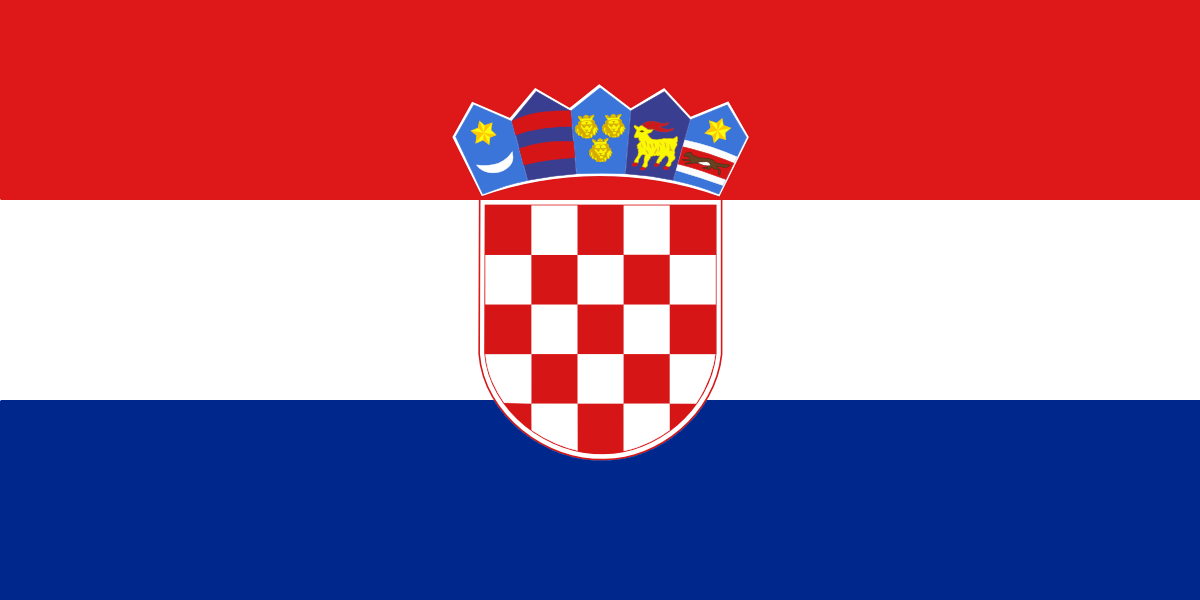
Hire in Croatia Quickly & Compliantly — Without Setting Up a Local Entity
Hiring at a Glance
Croatia is an EU and euro-area country (joined the euro in 2023) with a service-driven and manufacturing economy. Key sectors include tourism, information technology, and manufacturing (notably shipbuilding and machinery). Employment is governed by the Croatian Labour Act, which mandates written contracts, a standard 40‑hour workweek, minimum four weeks paid annual leave, and notice periods for termination. Employers must withhold employee income tax (progressive, 15% up to around €50,400 and 25% above, plus municipal surtax), and pay social security contributions on wages. For example, employers contribute 16.5% of gross salary for health insurance, and employees contribute a total of 20% for pensions (15% + 5%). An EOR can greatly simplify entering Croatia by serving as the legal employer and taking care of payroll taxes and compliance. This lets companies hire quickly and “without having to set up a legal entity” in Croatia, while ensuring adherence to all labor laws.
Key characteristics of talent market
Croatia’s workforce is well-educated, especially in IT, engineering, and sciences. The country has adopted EU standards for labor regulation and payroll, making its system familiar to Western companies. Costs are relatively lower than in Western Europe (for instance, top marginal tax rates in Croatia effectively max out in the mid-30% with surtaxes). The economy is diversifying: alongside traditional industries (manufacturing, shipbuilding, tourism), there’s growth in ICT, outsourcing, and finance. Given its tourism sector, skills in hospitality and foreign languages are also notable. Overall, companies will find a compliant environment (EU-aligned laws) and a talent pool strong in technical, managerial, and service capabilities.
Most In-Demand Skills in 2026
Demand in Croatia is centered around technology and services. Employers seek skilled software developers, system engineers, and data professionals to support growth in the tech and IT sectors. Given Croatia’s manufacturing base, mechanical and electrical engineering skills remain important. With a growing finance/outsourcing industry in Zagreb and other cities, finance professionals, accountants, and customer support experts are also in demand. In essence, in-demand skills include software engineering, IT security, manufacturing/industrial engineering, as well as finance, accounting, and multilingual customer service. These align with the country’s focus on technology, tourism, and shared-services growth.
Top Universities Supplying Talent
Leading universities in Croatia supply much of the local talent. The University of Zagreb is the largest and oldest, with strong programs in engineering, computer science, and business. Other top institutions include the University of Split and the University of Rijeka. The University of Zagreb often ranks highest nationally (for example, it is typically in the QS global top 500-600), and Zagreb’s University of Applied Sciences and technical faculties are well regarded. These institutions graduate engineers, computer scientists, and economists who staff Croatia’s tech, manufacturing, and financial sectors. (For instance, QS lists the University of Zagreb among Croatia’s top-ranked universities, indicating its prominence in producing skilled graduates.)
Salary Benchmarks for Roles
Croatia’s salaries vary by role and seniority. For perspective, a Software Engineer’s annual pay often ranges from €30,000 to €60,000. Data analysts and IT specialists typically earn slightly less, often in the €25–50k range. Mid-level product managers or finance managers in Croatian companies generally earn in the €40k–80k range annually, depending on experience and company size. Senior managers or technical leads can exceed these figures. In major cities like Zagreb, top IT and finance professionals may approach or surpass €70k–85k. These figures are only illustrative; actual compensation depends on company, industry, and experience.
Employer of Record vs Legal Entity Setup in Croatia
To legally hire employees, a company must
Croatian law requires employers to register with several agencies. After establishing a company (even a branch or subsidiary), the employer must register with the Croatian Tax Administration to obtain an employer tax ID. For each employee, the employer must register the individual with the Croatian Pension Insurance Institute (HZMO) and the Croatian Health Insurance Fund (HZZO) for statutory contributions. These registrations must be done promptly (e.g. submit Forms T1 and M-11P to HZZO/HZMO within 24 hours of the employee’s start). In practice: obtain the business number, and then for each new hire submit the required forms to HZZO/HZMO (usually via the eHZZO portal) within the first week of employment. Employers must also prepare a written employment contract (under the Labour Act) for each employee and report new hires to the tax authority. On an ongoing basis, employers withhold income tax and remit both employer and employee contributions for pension, health, and employment insurance. Strict compliance with these registration and withholding obligations is required before and after hiring any worker.
Cost of Entity Setup
Forming a company in Croatia (typically a d.o.o.) involves modest upfront costs. A standard LLC requires HRK 20,000 (≈€2,660) in share capital, though one-person “simple d.o.o.” can be set up with just HRK 1 and minimal capital. Registration is done with the court registry and usually takes 2–4 weeks from document submission. State fees for incorporation are low (on the order of €13–€40), plus notary and translation costs. Beyond setup, ongoing burdens are significant: employers must run payroll withholdings every month and pay social security (~16.5% employer health), prepare annual financial statements, and handle labor obligations like unused vacation payouts. For small or one-off hiring needs, setting up an entity can be disproportionately costly. An EOR provides an alternative: instead of entity costs, the company pays service fees to the EOR, which covers all payroll taxes and compliance, effectively outsourcing the administrative overhead.
What Hiring Through an EOR Means in Croatia
An Employer of Record (EOR) in Croatia becomes the legal employer registered with the Croatian Tax Administration, Health Insurance Institute (HZZO), Pension Insurance Institute (HZMO), and State Inspectorate, while the employee works exclusively for your company. You manage daily work and performance; the EOR carries all statutory employer responsibility.
Croatian employment is governed by:
- Labour Act
- Health Insurance Act
- Pension Insurance Act
- Income Tax Act
- Labour inspection framework
Foreign companies cannot legally employ staff in Croatia without:
- A Croatian employing entity
- Registration with tax and insurance authorities
- Payroll and labour compliance
An EOR provides this entire employer infrastructure without requiring you to establish a Croatian company.
An EOR in Croatia handles:
- Croatia-law compliant employment contracts
- Payroll processing in EUR
- Income tax withholding and filing
- Pension contributions
- Health insurance contributions
- Statutory leave and public holidays
- Termination and labour-inspection handling
- Immigration and residence permits
This model is ideal for companies that want to hire in Croatia without managing tax registration, social insurance, and labour-inspection exposure directly.
Risk Involved in Both Models
Croatian labour law is procedure-driven and inspection-heavy.
Key characteristics:
- Written contracts required
- Mandatory pension and health insurance
- Strong minimum wage rules
- Labour inspections
Compliance failures can result in:
- Back payment of wages
- Insurance penalties
- Inspection fines
- Court-ordered compensation
In Croatia, wrong termination and miscalculated insurance are the biggest employer risks.
EOR Vs. Entity: When to use What?
Why is an EOR the Most Efficient Way to Hire in Croatia?
Croatia offers strong talent in IT, tourism, engineering, and shared services but employment is governed by insurance rules, labour inspections, and strict termination law.
An EOR is not just payroll. It is the legal employer recognised by Croatian authorities, responsible for:
- Labour Act compliance
- Tax and insurance filings
- Payroll execution
- Termination handling
This allows foreign companies to operate in Croatia without inheriting labour-inspection and court exposure.
#1. EOR Manages Pension and Health Insurance Risk
Employment cost includes:
- Pension contributions
- Health insurance
#2. EOR Controls Minimum Wage and Working Time
Croatian law sets:
- National minimum wage
- Working hour limits
- Overtime rules
#3. EOR Controls Termination and Inspection Risk
Termination in Croatia requires:
- Valid reason
- Written notice
- Notice period
#4. EOR Avoids Entity & Admin Burden
Entity setup requires:
- Company registration
- Tax and insurance registration
- Payroll systems
EOR vs. PEO in Croatia: How to Decide the Right Hiring Model?
A PEO in Croatia cannot legally employ workers. A Croatian employing entity is required.
- PEO: HR/payroll support only
- EOR: Legal employer
If you don’t want to manage Croatian tax, insurance, and inspections yourself, EOR is the right model.
Payroll, Taxes, and Monthly Compliance
In Croatia, payroll is processed monthly. Employers deduct income tax from each employee’s wages and remit it monthly. The tax system is progressive: a base rate of 15% applies up to a certain income (≈€60,000/year) and 25% above that, with additional municipal surtaxes (up to 18% extra) typically. Employers also pay mandatory social contributions: 16.5% of gross wages goes to health insurance. Employees contribute 20% of gross for pension insurance (split 15% first pillar + 5% second pillar). Employers must pay these withholdings and contributions to the relevant agencies every month. In practice, an employer files one combined payroll report (JOPPD form) electronically by the 15th of the following month, detailing wages, taxes, and insurance contributions. Each employee must receive a payslip each month summarizing gross pay and deductions. Timely remittance of these amounts to the tax administration and insurance funds is critical to avoid fines. Croatia’s system is “more streamlined than in many Western European countries”, but it still requires careful monthly processing and reporting.
Salary Structure: Where Most Compliance Issues Begin
Croatian payroll compliance issues often stem from how allowances and overtime are handled. Overtime pay in Croatia must be explicitly paid at premium rates as required by labor law. For example, the Labour Act mandates extra compensation for overtime and holiday work. If a contract promises bonuses (e.g. a year-end bonus), this payment must be included in contribution calculations. A common violation is excluding bonuses or allowances from the base for pension/health contributions – this results in underpaid contributions and penalties. Another area is severance and notice pay: failing to meet statutory severance for layoffs or not providing required notices can create liabilities. In sum, employers must ensure all paid components (overtime, bonuses, benefits) are properly documented and contributions are calculated on the full gross amount. If these elements are mishandled, audits by HZZO or HZMO can impose fines for unpaid contributions.
What Monthly Payroll Operations Actually Involve
Monthly payroll tasks in Croatia are comprehensive. Employers start by determining each employee’s gross salary for the period (including any overtime, bonuses or allowances). They then apply mandatory deductions: 15% income tax (plus local surtax) and contributions to pension and health insurance. The employer portion of contributions (16.5% for health insurance) and the employee portion (total 20% for pension) are calculated on the gross wages. Net salaries are then paid (by the payroll date, which is by the 15th of the next month) and payslips issued. After payment, the employer submits the JOPPD form online by the 15th of the following month, which reports all wages and withholdings. This single form covers income tax and all social contributions for all employees. Finally, the employer transfers the tax and insurance payments via electronic bank transfer. Records must be kept of all payroll data. On an annual basis, employers also prepare payroll for year-end bonus payments and submit any necessary income tax reconciliations. Thus, monthly payroll in Croatia truly involves gross-to-net computation, timely remittance of taxes/contributions, statutory reporting, and record maintenance.
Step-by-Step Onboarding Process With an EOR in Croatia
Hiring in Croatia is a registry-driven, inspection-sensitive process. A compliant onboarding flow protects you from labour-office fines and court disputes.
1. Confirm EOR Registration
Verify the EOR is registered with:
- Croatian Tax Administration
- HZZO
- HZMO
- State Inspectorate
Unregistered employers cannot legally pay salaries.
2. Identify Work Location and Contract Type
EOR determines:
- Workplace location
- Full-time vs part-time
- Fixed-term legality
Wrong structure leads to claims.
3. Validate Role and Working Time
EOR assesses:
- Minimum wage compliance
- Overtime rules
- Rest breaks
4. Structure Salary and Contributions
EOR validates:
- Gross salary in EUR
- Pension and health insurance base
- Allowances
5. Provide Full Cost-to-Company Breakdown
Includes:
- Gross salary
- Employer pension
- Employer health insurance
- EOR fee
6. Draft Croatia-Compliant Contract
Contract includes:
- Duties and title
- Salary and pay cycle
- Working hours
- Leave
- Notice period
7. Register Employee
EOR registers with:
- Tax authority
- HZZO
- HZMO
8. Set Up Policies
EOR issues:
- Working hours
- Leave and sickness
- Health and safety
- Disciplinary framework
9. Immigration Workflow (If Needed)
EOR manages:
- Residence permit
- Work authorization
10. First Payroll and Filings
EOR processes:
- Salary
- Tax, pension and health insurance
- Payslip issuance
11. Ongoing Compliance and Termination
EOR manages:
- Salary changes
- Inspections
- Contract updates
- Termination process
- Court representation
Build Your Croatia Team with Bolto EOR
Expanding into Croatia is not just about hiring, it is about handling labour inspections, insurance, and termination law correctly.
Bolto’s Employer of Record model absorbs:
- Labour Act complexity
- Tax and insurance exposure
- Payroll risk
- Termination and inspection exposure
So you can scale in Croatia without becoming a legal employer.
Full Legal Employer Coverage in Croatia
Bolto becomes the legal employer before:
- Croatian Tax Administration
- HZZO
- HZMO
- State Inspectorate
- Labour courts
Bolto manages:
- Contracts and compliance
- Payroll and statutory filings
- Leave and benefits
- Audit and inspection response
- Termination execution
You manage work. Bolto manages legal risk.
Built for Fast Entry and Clean Exit
With Bolto EOR:
- Hire in weeks
- Avoid Croatian company formation
- Skip tax and insurance registration
- Exit without liquidation
Transparent Cost Structure
Bolto provides:
- Salary and statutory breakdown
- Pension and health insurance visibility
- Fixed EOR fees
End-to-End Employee Lifecycle Management
Bolto manages:
- Contract drafting
- Payroll and tax
- Pension and health insurance
- Leave and benefits
- Discipline and termination
- Labour-court defense
You never deal directly with Croatian labour authorities.
Designed for Risk-Controlled Growth in Croatia
Croatia penalizes:
- Late insurance payments
- Missing contracts
- Invalid termination
Bolto enables growth without inheriting inspection and court risk.

Wholly-Owned Entity
Hire through our partner’s fully owned entity for faster onboarding and complete operational control

Full Compliance
All statutory employer obligations handled ensuring your business stays fully compliant with all regulations

Transparent Pricing
Flat monthly pricing with no hidden fees or surprise costs, giving you clear and predictable billing every month

Faster Time to Hire
Onboard talent in days instead of months without the delays of setting up a local entity
Explore EOR in Other Countries
View All




Explore our Related Blog Posts on EOR

GLOBAL HR
10 Best HR Software for Small Business (2025 Guide)
Most small teams now hire across states and sometimes across borders, and that makes payroll, compliance, and onboarding harder than spreadsheets can handle...

GLOBAL HR
15 Best HRIS Systems for Small Companies (2025 Guide)
Small teams do not have time for spreadsheet wrangling or manual onboarding. In 2025, hris systems for small companies help founders and lean HR teams...

GLOBAL HR
15 Best Global Payroll Services for Startups in 2025
Hiring talent across borders is no longer a luxury reserved for massive corporations. For startups and scale ups in 2025, building a distributed team is a core strategy for finding...